From Castles to Culture: Leadership Treasures Unearthed
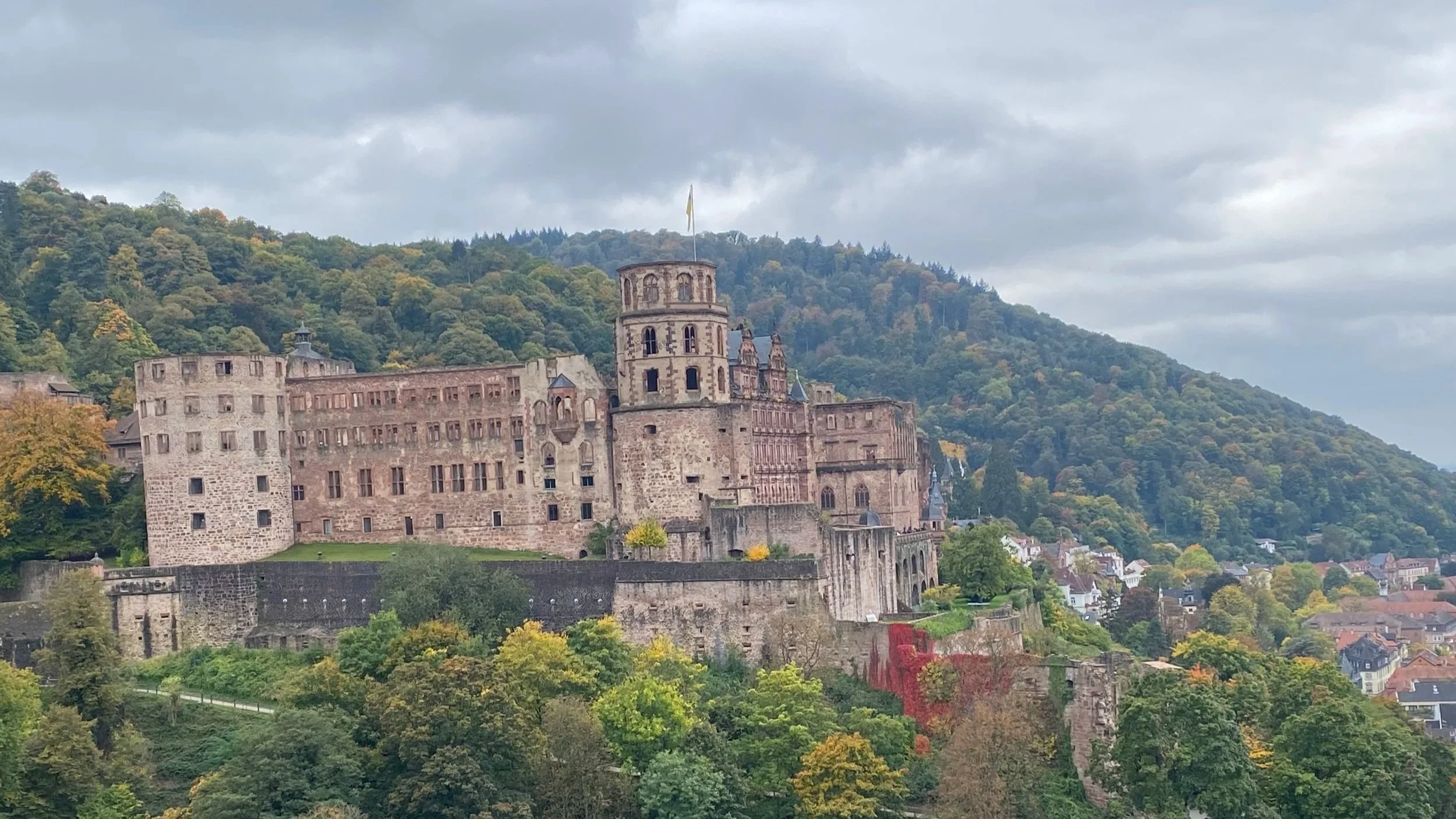
On my recent journey through Heidelberg, Germany, I felt a bit like Indiana Jones, minus the fedora and the whip, but with the same sense of awe, curiosity, and treasure-hunting excitement. The towering Heidelberg Castle, the cobblestone streets, the scholarly energy of the University, and the churches shaped by the Reformation made the city feel alive with history.
I wasn’t just sightseeing; I was excavating leadership wisdom from the past.
Heidelberg has a way of whispering to you through its ruins, its libraries, its architecture, and even its quiet places of worship. As I walked where Martin Luther once walked and stood near the sites where portions of Scripture were translated and preserved, I felt like I was uncovering ancient leadership scrolls that still speak to our modern practices.
Here are the treasures I discovered, each one connecting old-world leadership to the world we lead in today.
Artifact #1: Leadership Thrones on Hills vs. Servant Leadership in the Valley
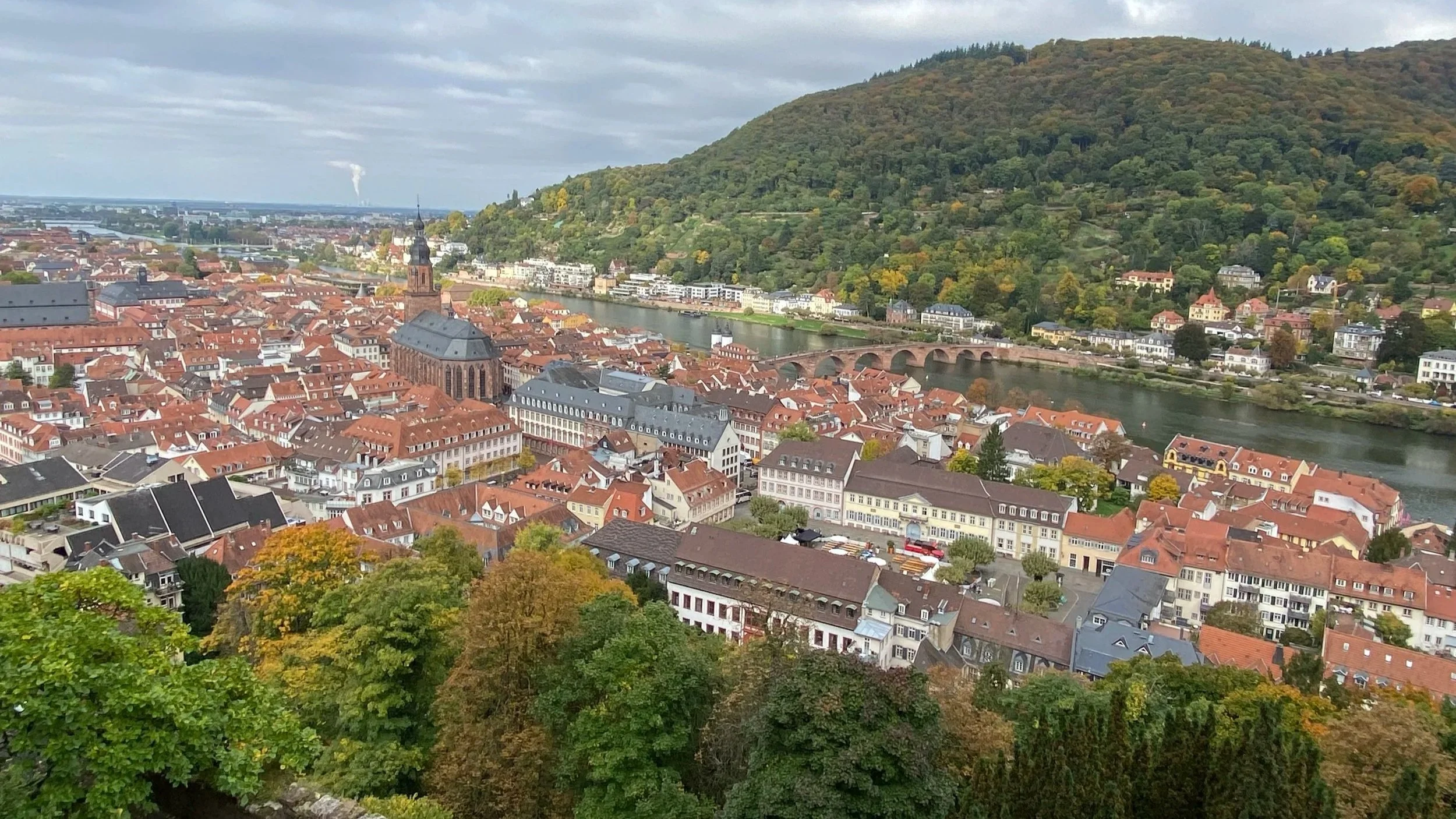
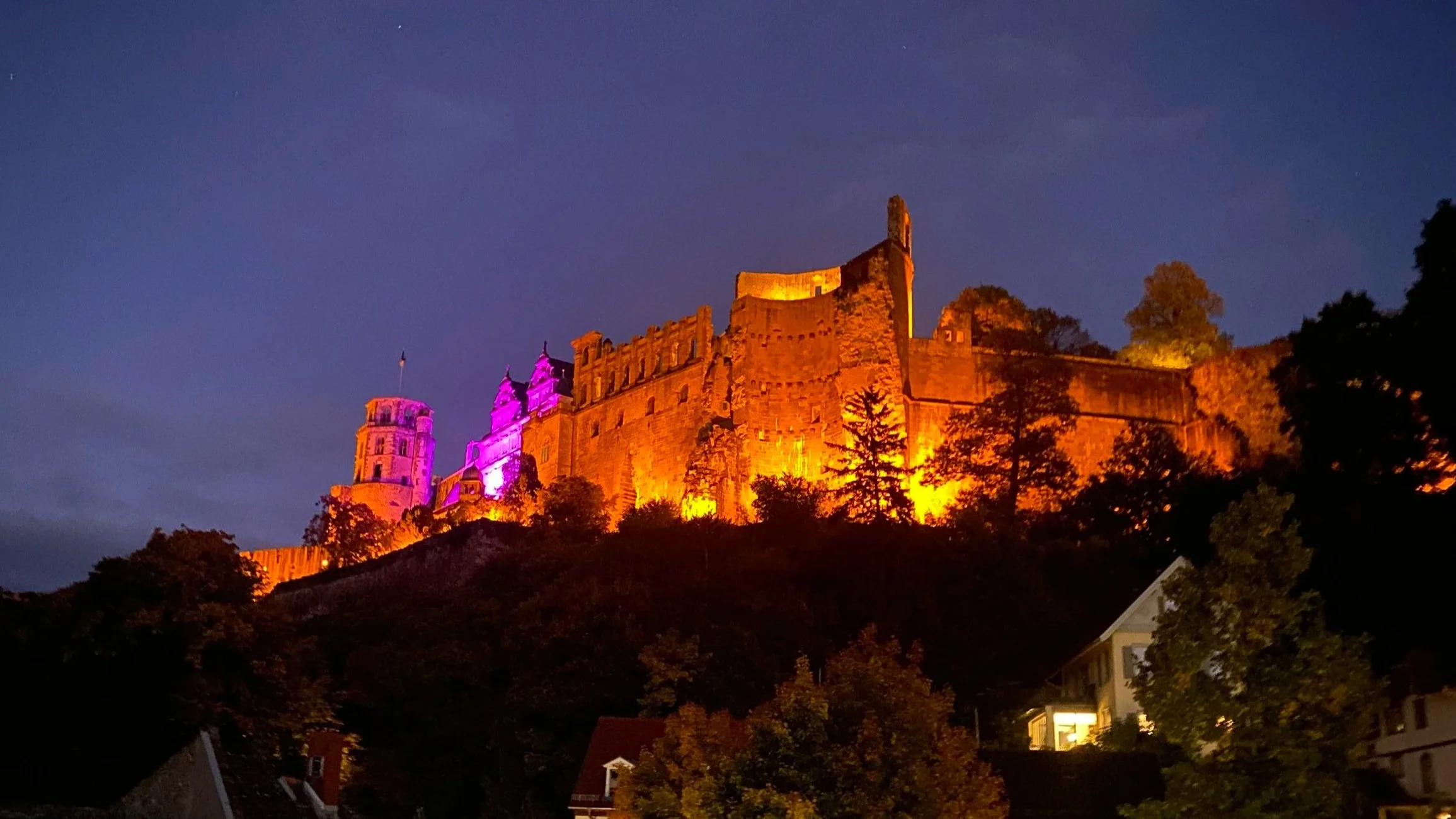
Heidelberg Castle sits high above the town, exactly where a medieval ruler wanted it. The elevation sent a message: Power belongs up here. The people stay down there.
From the castle walls, you can see the entire city, just like ancient kings intended. Visibility meant advantage. Height meant dominance. Ruling from above reinforced authority. As I stood there, something struck me: Today’s strongest leaders have traded thrones for teamwork. We’ve learned that leadership isn’t about distance; it’s about presence. Not about ruling from on high, but walking shoulder-to-shoulder with the people we serve.
Hidden Treasure:Leadership grows stronger the closer you get to your people. Influence is earned through humility, not elevation.
Artifact #2: Medieval Community Life vs. Purpose-Built Company Culture
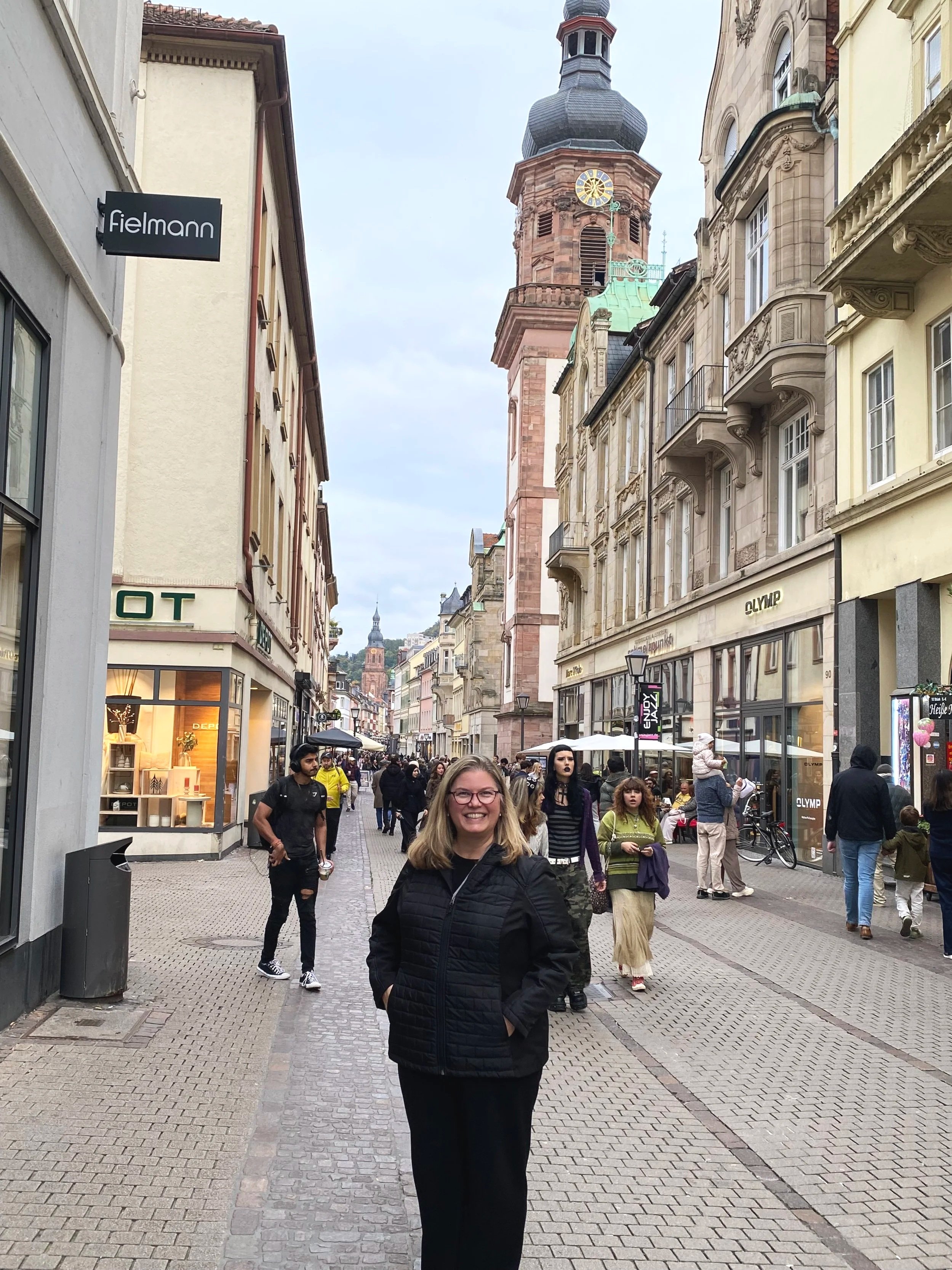
Descending into the old town of Heidelberg felt like stepping into a medieval blueprint for community. Everything was intentionally placed:
homes
family-run shops
craftsmen
marketplaces
churches
gathering spaces
People didn’t just live near each other; they relied on one another. Community wasn’t an idea; it was the infrastructure of life. As leaders today, we try to recreate this through culture initiatives, but their community was organic and essential. Our workplaces and organizations need the same clarity: Culture doesn’t form accidentally; it forms because leaders shape it.
Hidden Treasure: The atmosphere people work in is the atmosphere leaders create. Healthy culture is one of the greatest leadership treasures of all.
Artifact #3: Renaissance Curiosity vs. Modern Mission Clarity
Inside the castle walls, the Renaissance energy was everywhere. The castle grounds once supported:
the arts
music
literature
medicinal research
scientific exploration
military strategy
early forms of engineering
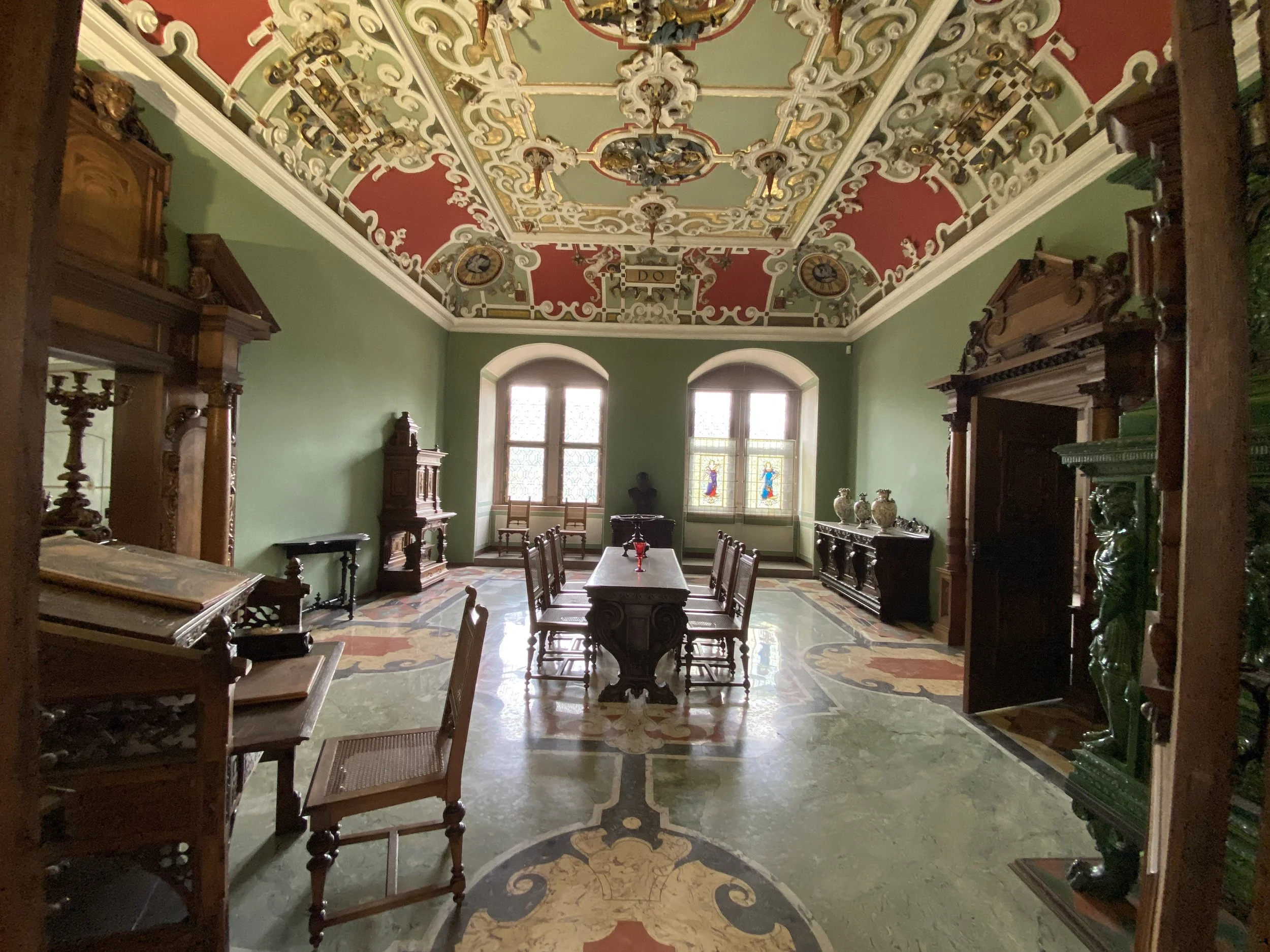
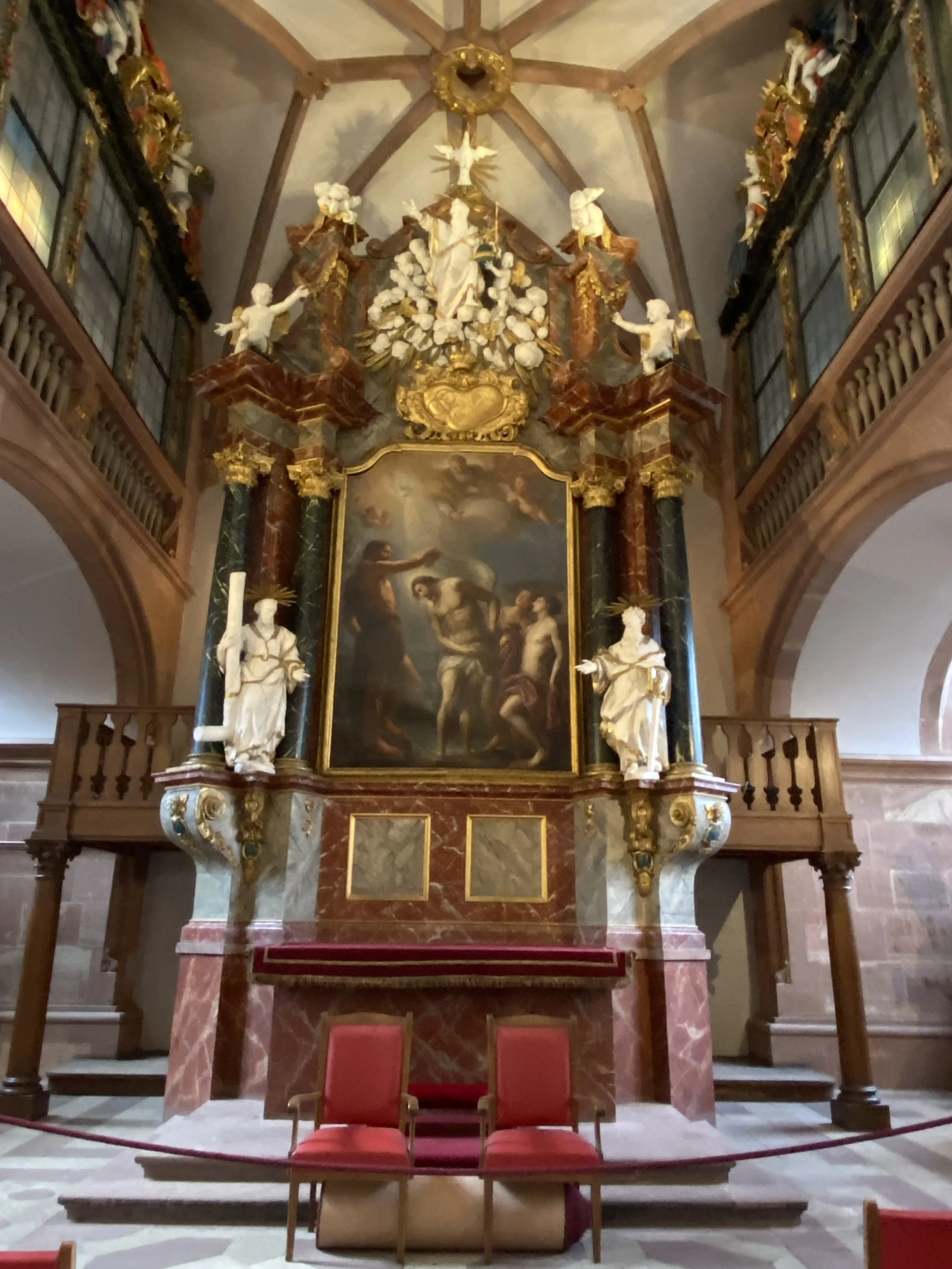
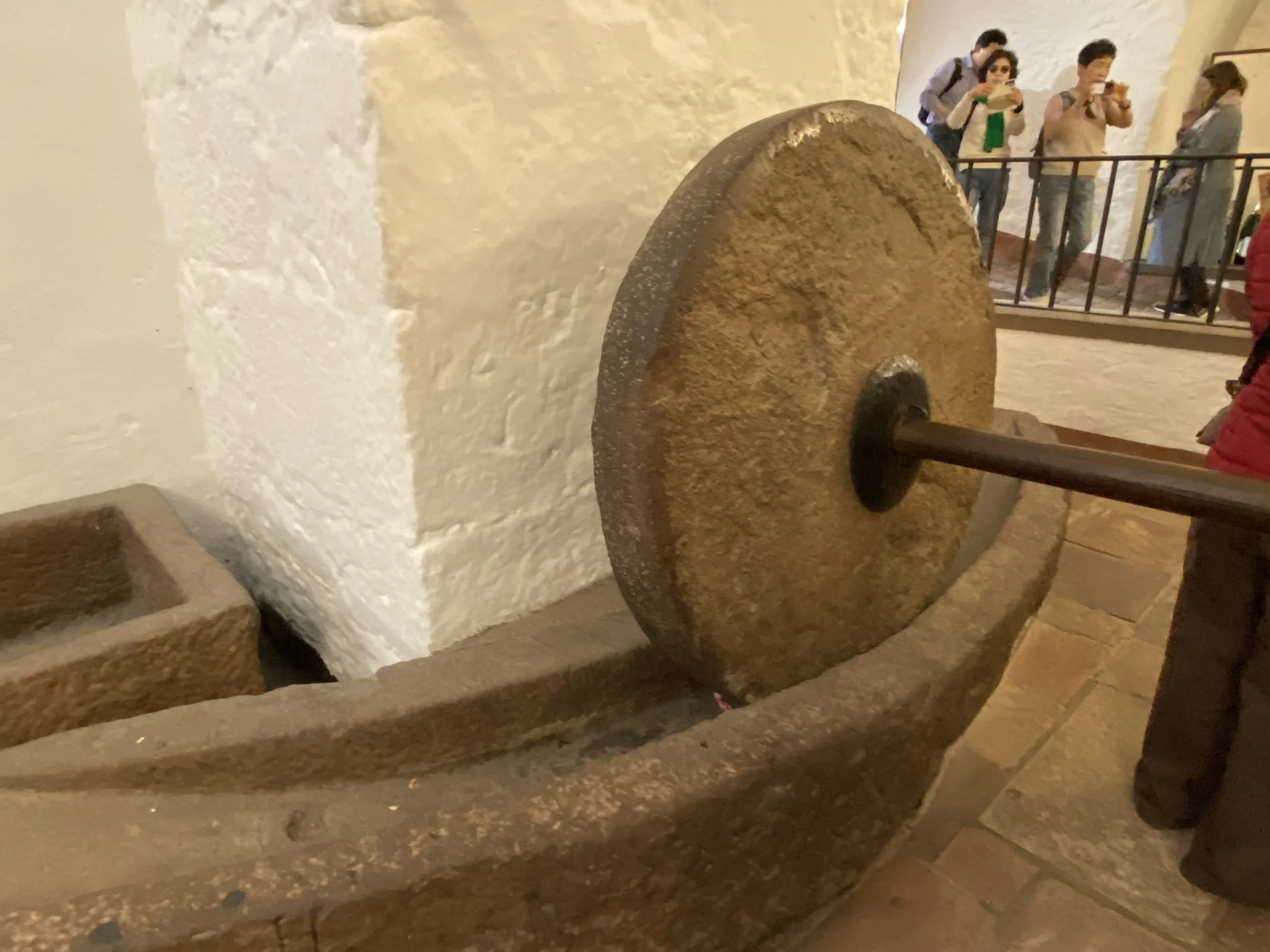
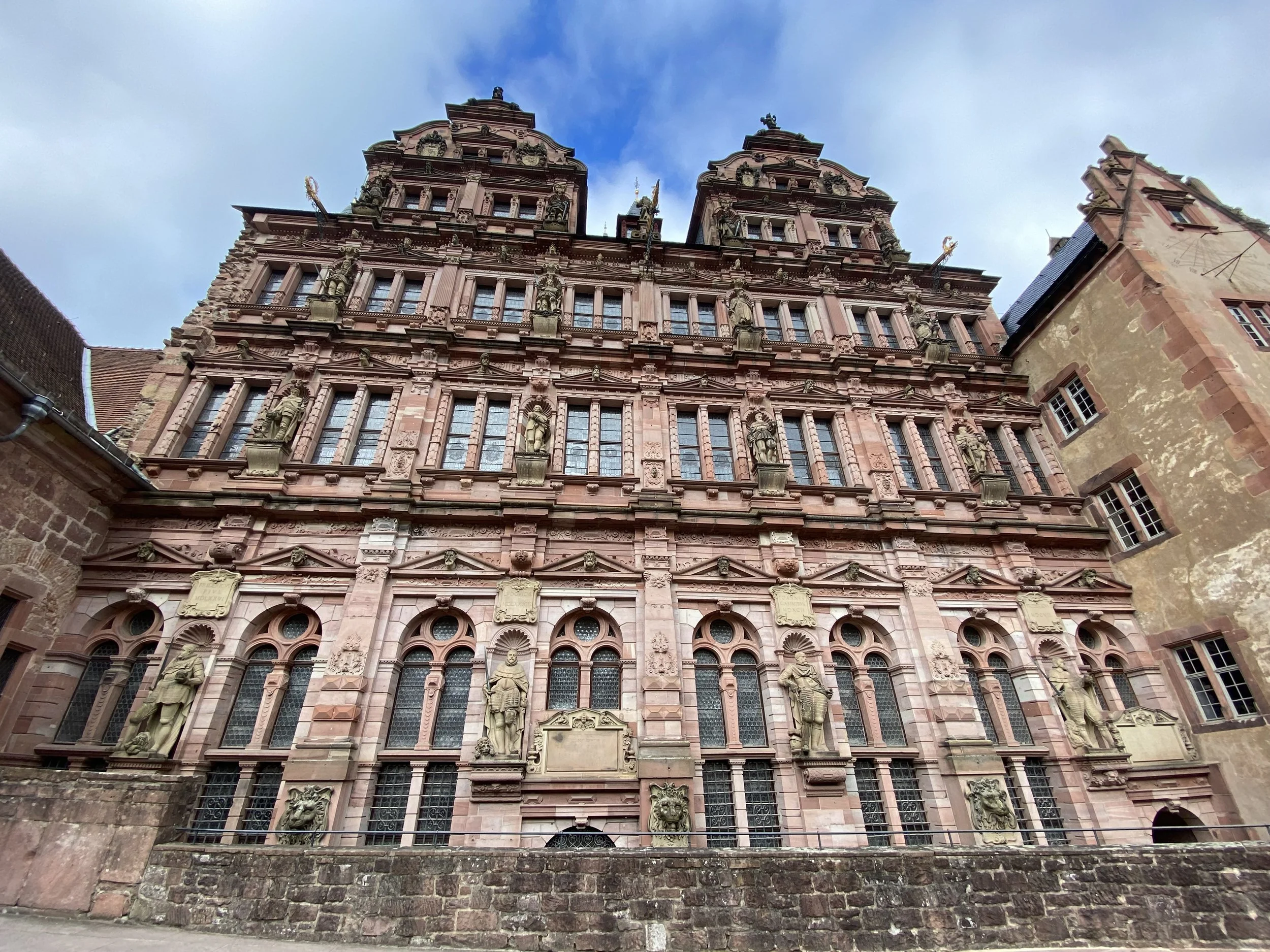
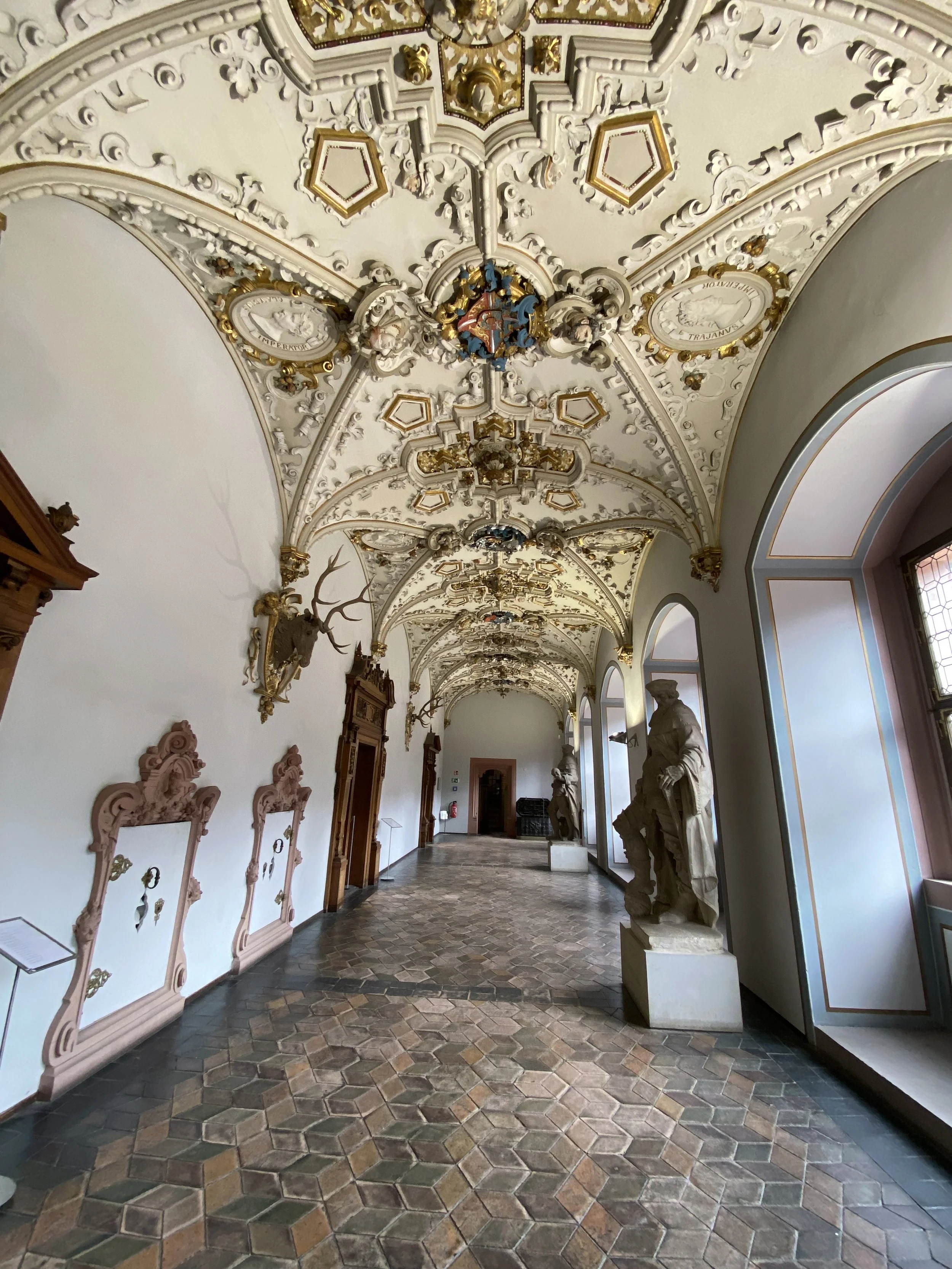
They didn’t silo their interests; they celebrated them. Curiosity wasn’t a luxury; it was power. Today’s leaders are taught to streamline and specialize. Mission clarity is everything. Focus is essential. But Heidelberg reminded me of the power of “curiosity leadership,” the kind that stays open, asks questions, invites exploration, and encourages interdisciplinary thinking.
Hidden Treasure: Great leaders are both explorers and architects. Curiosity fuels innovation. Clarity fuels execution. We need both to lead well.
Artifact #4: Ancient Crests vs. Values-Driven Identity
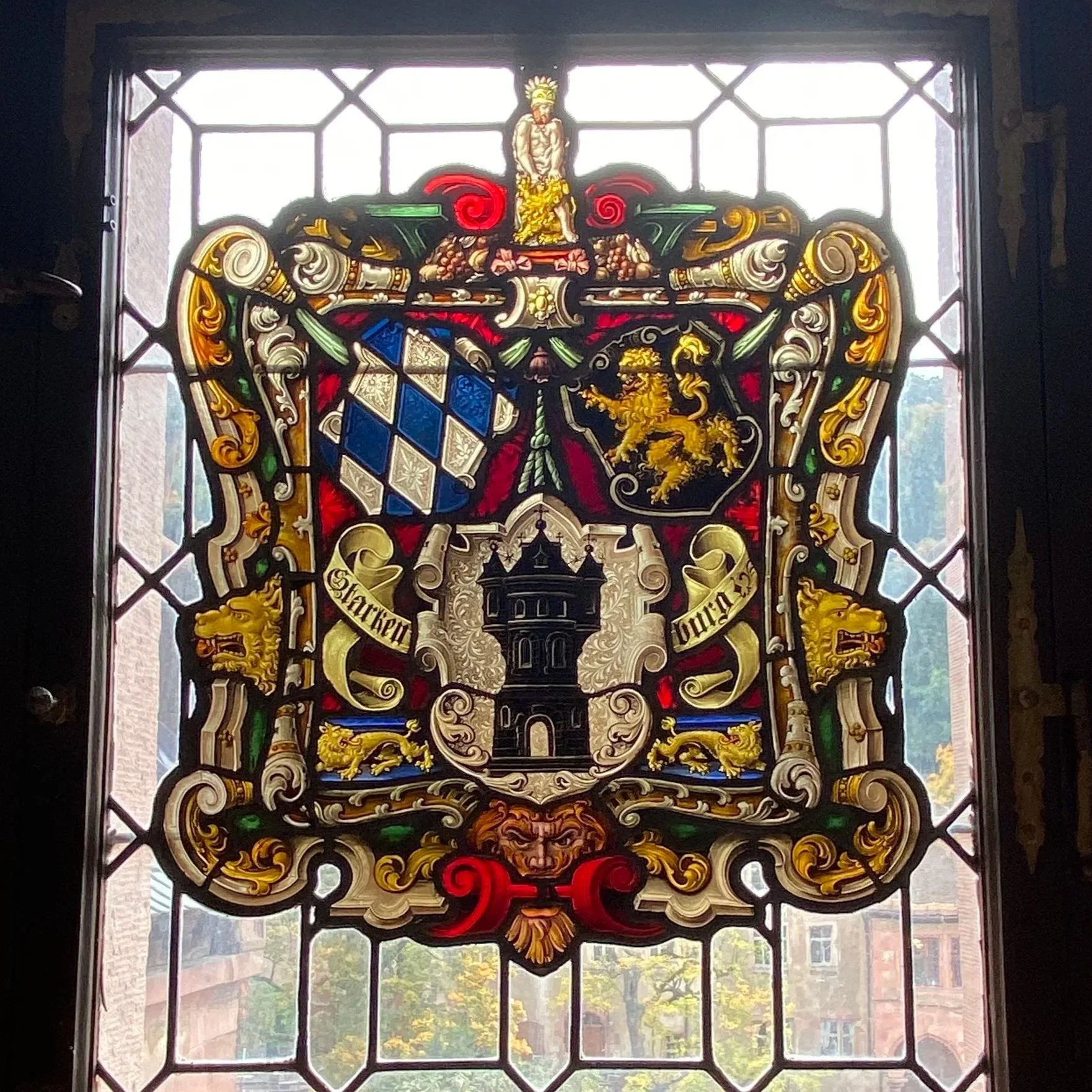
Walking through the castle, I noticed crest after crest, etched into stone, carved above doorways, and displayed on walls. Each new ruler left their mark, their identity, their message.
It was the medieval version of branding: “This is mine. This is who I am. Remember me.”
Fast forward to today… Leaders still leave marks, but not through stonework.
Our modern crest is made of:
our consistency
our values in action
our communication
how we treat people
the experiences people have around us
Hidden Treasure: Your leadership identity is not a title; it’s the legacy you create daily. Your “crest” is your character.
Artifact #5: Castle Chambers for Every Human Need vs. Whole-Person Workspaces
The castle wasn’t just a fortress; it was a world. Each space had purpose:
The library- learning, wisdom, record keeping
The chapel- spiritual grounding and reflection
The living quarters- rest and family The gardens – beauty, restoration, peace
The grand hall- community, celebration, gathering
The theatre- creativity and storytelling
The courtyard- connection and shared life
Walking through these spaces, it struck me how advanced they were in meeting human needs including: intellectual, emotional, social, spiritual.
Modern organizations are rediscovering this treasure. We now design spaces that nurture mental health, rest, creativity, collaboration, and reflection.
Hidden Treasure: People perform best in environments that honor the whole person. Leaders build spaces where humans, not just workers, can thrive.
Artifact #6: Streets Designed for Everyday Life vs. Systems Designed for People
Even the streets of Heidelberg were intentional. They were built to support the rhythms of daily living. Shops were close, churches were central, and public spaces fostered connection and community.
It made me think about modern leadership systems: our workflows, policies, and processes. Are they designed around real people? Or did we simply inherit them because “that’s how it’s always been”?
Hidden Treasure: Leadership is design work. If we design systems around people, people thrive. If we don’t… everything suffers.
A Special Artifact: The Martin Luther Connection: Courage, Conviction, and Reform
One of the most powerful “discoveries” came as I stood in Heidelberg’s churches and walked the same streets once traveled by Martin Luther.
In 1518, Luther came to Heidelberg for what is now known as the Heidelberg Disputation, a moment that helped accelerate the Reformation. His arguments challenged established authority and introduced new ways of understanding Scripture and faith.
Nearby scholars later contributed to translating and preserving the biblical text; a work that shaped the direction of theology and literacy for the world.
Standing in those places, I realized: Luther wasn’t just a reformer. He was a leadership disruptor. He questioned the status quo. He stood courageously against systems that needed changing. He used conviction, truth, and humility as his tools, not position or power.
Hidden Treasure from Luther: Leaders don’t move people by force; they move people by conviction, courage, and clarity of purpose.
Final Discovery: Leadership Is an Ongoing Expedition
Heidelberg reminded me that leadership is an adventure, not a destination.
Every generation builds on what came before. Every leader leaves something behind. Every structure, system, crest, or decision becomes a clue for future leaders.
Yesterday, leaders built kingdoms. Today, leaders build cultures. Tomorrow, leaders will build something we haven't yet imagined.
But the treasures of the past? They still guide us.
Coaching Questions to Activate Your Own Leadership Expedition
As you reflect on these artifacts, consider:
1. How close am I to the people I lead? What would it look like to lead more from “the valley” than the hilltop?
2. What elements of my culture need intentional shaping right now?
3. Where do I need more curiosity and where do I need clearer focus?
4. What “crest” am I carving through my daily decisions and behaviors?
5. Do my spaces (physical or virtual) nurture the whole person or just the tasks?
6. What systems or processes in my world need reform, redesign, or reimagining?
7. Where do I need a little Martin Luther courage?